Evolution™ Horizontal Lifeline
System
The Evolution™ horizontal lifeline system is a permanent low tension, multi-span
lifeline used for fall protection on elevated horizontal surfaces. Fully
engineered system will allow up to 5 users traverse from one extremity to
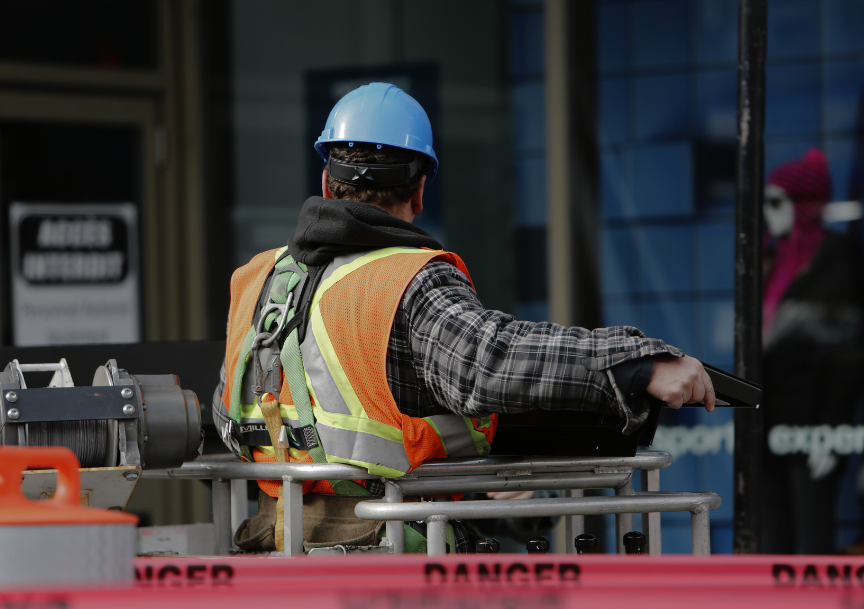
another in a truly “hands-free” environment. For work on roofs or overhead
cranes, operations in aircraft hangars, bridge maintenance or loading docks,
railcar, arenas-rigging, warehouse distribution, piperacks - all activities
calling for many professionals to work at a height.
Easily installed, the system is particularly flexible for companies seeking the
protection of their workplaces without any damage to the buildings or the
structures into which the lifeline has to be incorporated. A specially designed
computer program simulates the necessary clearances and possible heights of
fall: this design software validates the compatibility of the structures with
the lifelines, no matter how complex.
Stainless steel components reduce premature weakening from corrosion and
maintain strength and durability for longevity. The system's shuttle
provides hands-free bypass of the intermediates and maximum freedom of movement,
allowing the user to attach or detach from the lifeline at any point along the
system. The intermediate bracket can be installed in many different
configurations (on the ground, at various heights on the wall, etc.) and at
regular intervals, to ensure the optimum distribution of forces along the
lifeline. It is shaped specifically so as to allow the automatic passage of the
shuttle without the user ever having to disconnect from the lifeline. The corner
brackets patented flexible cable guide design allows for any possible curve to
be forged to follow the user's movement as closely as possible. The LEAP (linear
energy absorption product) is a 4-in-1 system; an in-line shock absorber, system tensioner, tensioning indicator and an impact indictor. A series of engineered
roof stanchions are also available that can be used for most corrugated steel,
wood and built-up roofs for added system flexibility.
Meets or exceeds all applicable
industry standards including OSHA and ANSI.
In addition, the line has been designed in compliance with international safety
standards (EN795 class C – ANSI Z359.1 -CSA Z259.16 - AS/NZ S1891.4 part 2 & 4).
|